Imagine walking into your home after a long day, expecting the familiar comfort of your cozy living space, only to be greeted by an unpleasant smell that you can’t quite place. It’s not coming from the kitchen or the bathroom, at least not obviously. You check the trash, look under the sink, and even peek behind the couch, but the source of the odor remains a mystery. This scenario is more common than you might think, and it can be incredibly frustrating.
Unidentified odors can make your home feel less welcoming and can even pose health risks if they stem from mold, pests, or chemical leaks. Whether the smell is musty, sour, or just plain strange, locating and eliminating it is crucial for maintaining a pleasant and healthy living environment. This blog will guide you through the steps to identify and eradicate these pesky smells, ensuring your home remains a haven of comfort and cleanliness.
Initial Assessment
- Trust Your Nose: Start by walking through your house, paying close attention to where the smell is most potent. This initial step helps you narrow down the general area where the odor is coming from.
- Ask Others: Consult with other members of your household to see if they have noticed the smell. Different people may detect smells at varying intensities, providing valuable clues about the origin.
- Identify the Type of Odor: Try to characterize the smell. Is it musty, sour, chemical-like, or something else? Knowing the type of odor can help you determine potential sources.
- Check Recent Activities: Think about any recent activities or changes in the home that could contribute to the odor, such as cooking, cleaning, or bringing in new items.
- Inspect Common Areas: Begin your search in areas where odors commonly originate, like the kitchen, bathroom, and laundry room. Look for obvious sources such as spoiled food, dirty laundry, or standing water.
- Examine Ventilation: Ensure that areas like kitchens and bathrooms have proper ventilation. Poor ventilation can cause smells to linger and spread.
- Perform a Sniff Test: Get close to suspected areas and items, and perform a sniff test to identify if the smell intensifies near them. This can help you zero in on the exact source.
- Use Your Senses: Besides your sense of smell, use your eyes and hands to detect any signs of dampness, mold, or pest activity that could be causing the odor.
- Note Patterns: Pay attention to any patterns regarding the odor’s intensity and time of day. This can provide additional clues about the source and cause.
- Document Findings: Keep a record of where and when you notice the odor, as well as any steps you take to investigate. This documentation can be helpful if you need to seek professional assistance later.
Common Sources of Hidden Odors
Odors can originate from various places within a home. In the kitchen, for example, forgotten food items in the refrigerator, pantry, or cupboards can start to decompose and emit foul smells. Garbage disposals and trash cans are other typical culprits, often harboring residue that can rot and cause unpleasant odors.
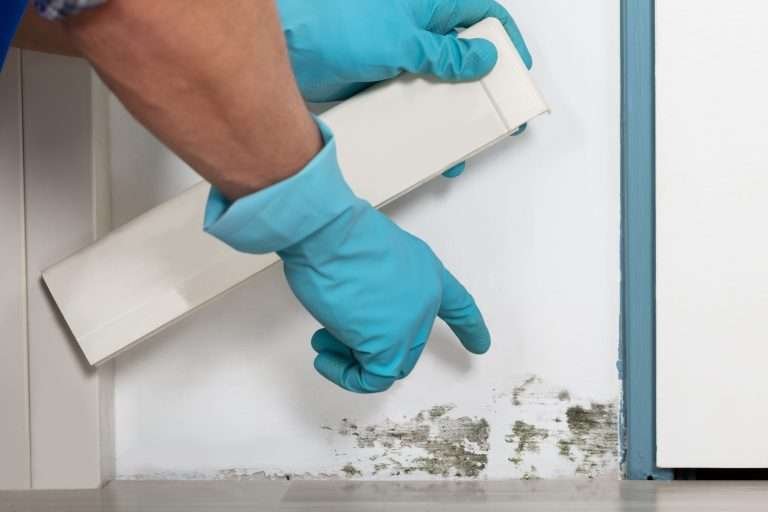
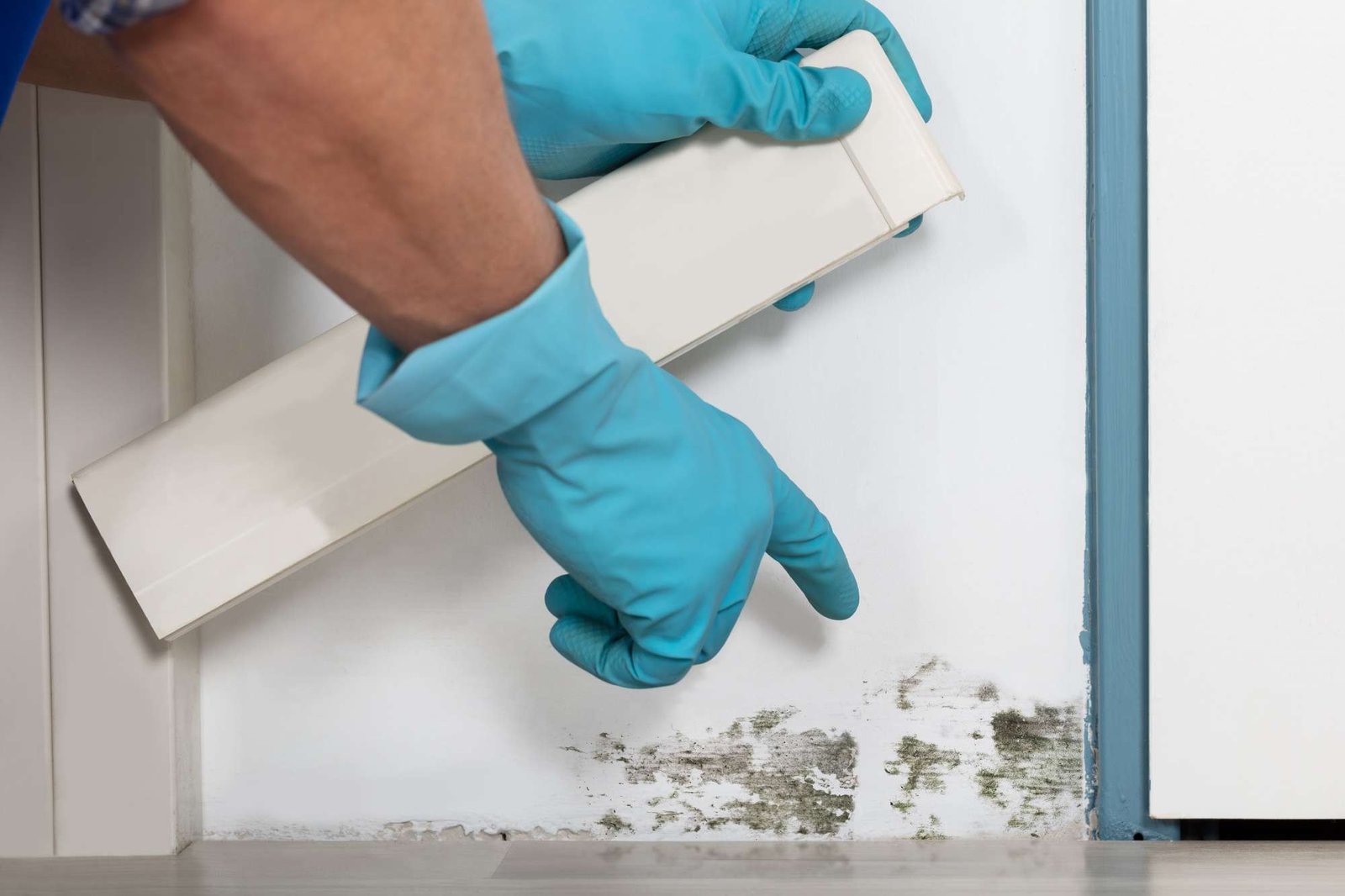
Bathrooms are another hotspot for hidden smells. Mold or mildew can develop behind tiles, under sinks, or around the toilet, especially if there are leaks or poor ventilation. Similarly, pet accidents that have seeped into carpets or upholstery in living areas can go unnoticed but continue to emit odors over time.
Bedrooms, too, can harbor hidden smells. Dirty laundry, gym bags, and dusty air vents can all create an unpleasant aroma. In basements and attics, mold and mildew thrive in poor ventilation conditions, and pests like rodents or insects can also create odors.
Garages are not immune to these issues. Leaking chemicals or fuel, as well as stored items like paint cans and cleaning supplies, can emit strong smells. By understanding these common sources, you can begin to search for the cause of the odor systematically.
Systematic Search
To thoroughly investigate, divide your search area into sections. This methodical approach ensures no spot is overlooked. Using a flashlight, inspect dark corners, under furniture, and other hard-to-reach places where odors might originate. Performing sniff tests in different spots can also help localize the source by identifying the areas with the strongest odor concentration.
Tools and Techniques
Several tools and techniques can assist in your search. A moisture meter, for example, can detect hidden dampness that might indicate mold growth, often the culprit behind musty smells. A black light can reveal pet stains and other organic materials invisible to the naked eye, particularly useful for identifying older, dried stains. An inspection camera can help you check behind walls, under floors, and in ductwork, areas that can harbor hidden mold or pests.
Professional Help
Sometimes, despite your best efforts, the source of the odor remains elusive. This is when professional help can be invaluable. Persistent smells that are hard to locate or eliminate may require the expertise of professionals. Mold inspectors and remediation specialists are experts in finding and eliminating mold, a common source of persistent odors. Pest control experts can identify and remove infestations that might be causing smells. HVAC cleaning services can clean your ducts and vents, removing built-up dust and debris that cause odors.
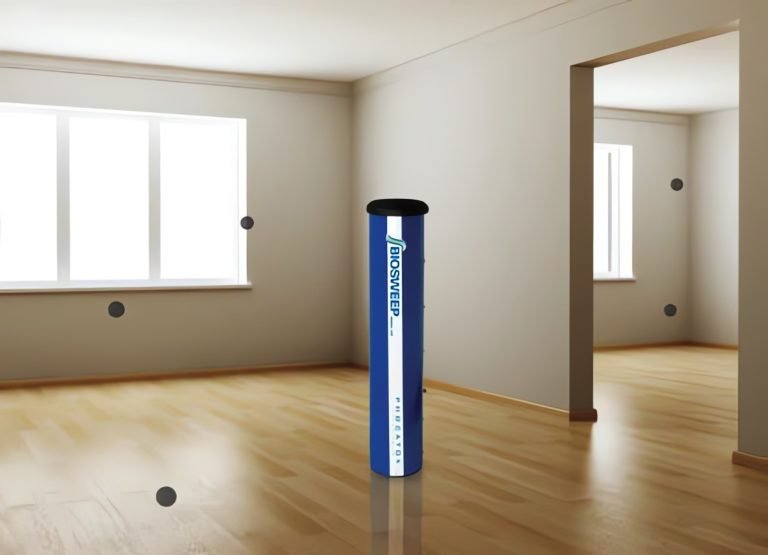
Odor removal experts, like Biosweep of Central Florida, specialize in advanced odor removal techniques, ensuring your home smells fresh and clean. They have the tools and knowledge to tackle even the most stubborn odors, giving you peace of mind and a pleasant living environment.
Preventive Measures
Once the odor is eliminated, taking preventive measures can help maintain a fresh-smelling home. Regular cleaning is crucial to prevent odor buildup. Consistently cleaning areas prone to developing smells, such as kitchens and bathrooms, can significantly reduce the risk of odors. Proper ventilation is also essential. Ensuring good airflow throughout the home can reduce dampness and stale air, preventing mold and mildew growth.
Promptly addressing spills and pet accidents is another important preventive measure. Immediate cleanup prevents lingering odors from setting in. Additionally, using deodorizers and air purifiers can help keep the air fresh. Natural deodorizers like activated charcoal or baking soda can absorb odors effectively.
Learn More