After a fire, most homeowners are focused on the visible damage.
The charred materials get removed. Walls get cleaned. Repairs begin.
But weeks or even months later, there’s still a lingering smell.
It might be faint. It might only appear when the air conditioner turns on. It might get worse during humid weather. But it’s there.
One of the most common questions homeowners ask after a fire is:
“If I just give it enough time, will the smoke smell eventually disappear on its own?”
Unfortunately, the answer is usually no.
Smoke odor is one of the most persistent odor problems a property can experience because smoke doesn’t simply stay in the air. It settles into virtually every surface it touches and can remain there for years if the source isn’t properly treated.
Why Smoke Odor Lingers Long After a Fire
When a fire occurs, smoke is made up of microscopic particles, oils, and gases produced during combustion.
As smoke moves through a structure, those particles settle onto:
- Drywall
- Ceilings
- Flooring
- Insulation
- Furniture
- Cabinets
- Clothing
- HVAC systems
- Electronics
- Upholstery
Even after visible soot is cleaned away, odor-causing particles can remain trapped inside porous materials throughout the property.
This is why a home can look completely restored while still smelling like smoke.
Time Doesn’t Remove Smoke Contamination
Many odors naturally fade over time.
Smoke odor is different.
Because smoke particles become embedded into materials, they continue releasing odor molecules back into the air through a process known as off-gassing.
Without addressing the source, time simply allows the odor to continue cycling through the environment. In some cases, homeowners report that the smell seems better for a while before becoming noticeable again months later.
Why Smoke Smells Worse on Humid Days
Florida homeowners often notice smoke odors becoming stronger during rainy weather or humid months.
That’s not their imagination.
Humidity can reactivate odor molecules trapped inside porous materials. As moisture levels rise, embedded smoke contamination releases more odor into the air.
This is why a property may smell relatively normal one day and noticeably smoky the next. The contamination is still present. The weather simply makes it easier to detect.
Cleaning Helps, But Often Isn’t Enough
After a fire, most homeowners begin with cleaning.
That’s absolutely an important step.
However, traditional cleaning methods are designed to remove visible residue and surface contamination. Smoke odors often extend much deeper than what can be reached through ordinary cleaning alone.
Even after:
- Carpet cleaning
- Surface scrubbing
- Painting
- Air fresheners
- HVAC filter changes
- Duct cleaning
Smoke odor can remain trapped inside materials throughout the property.
This is one reason fire-related odor problems can become so frustrating.
The Hidden Places Smoke Reaches
One challenge with smoke odor is that it spreads far beyond the room where the fire occurred.
Smoke can enter:
- Wall cavities
- Insulation
- Air ducts
- Attics
- Crawl spaces
- Cabinets
- Stored contents
In many fire losses, smoke travels throughout the structure within minutes.
Even rooms that appear unaffected may hold odor contamination that becomes noticeable later.
Why Covering the Smell Isn’t the Same as Removing It
Some odor solutions focus on masking smells.
Candles, fragrances, sprays, and deodorizers may temporarily overpower smoke odor, but they don’t eliminate the underlying contamination.
Similarly, paint and sealants can sometimes reduce noticeable odor, but they are often used to contain contamination rather than remove it entirely. In severe cases, odors may eventually reappear if the source remains untreated.
That’s why many homeowners find themselves repeatedly battling the same smell months after they believed the issue was resolved.
What Professional Fire Smoke Odor Removal Does Differently
Professional odor remediation is designed to target smoke odor at its source.
Rather than focusing solely on visible surfaces, advanced odor removal treatments address contamination throughout the indoor environment.
This includes:
- Airborne odor particles
- Embedded contamination
- Hard-to-reach surfaces
- Smoke residue throughout the structure
The goal is to eliminate odor-causing molecules rather than temporarily hide them.
How BioSweep of Central Florida Removes Fire and Smoke Odors
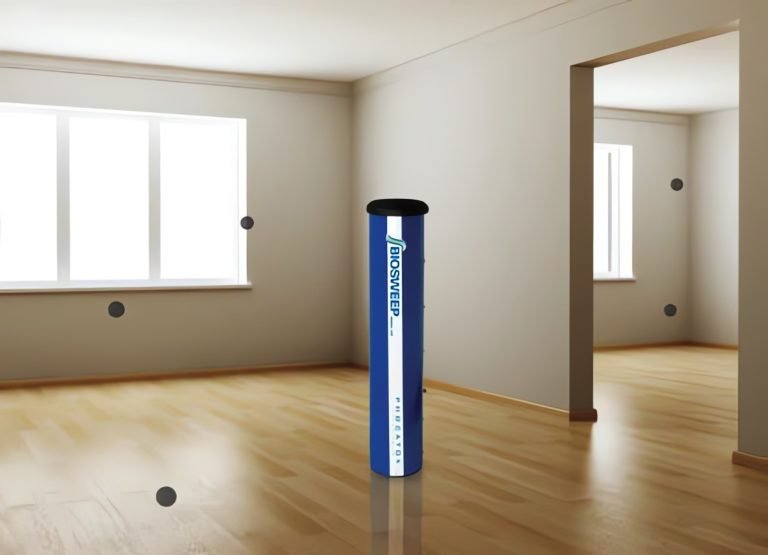
BioSweep of Central Florida specializes in professional fire and smoke odor removal using advanced oxidation technology designed to break down odor-causing molecules throughout the treated space. Unlike methods that simply mask odors, BioSweep’s process targets the source of the smell in both the air and on exposed surfaces.
Homeowners dealing with persistent smoke odors often explore services such as:
- Fire & Smoke Odor Removal
- Cigarette Smoke Odor Removal
- Whole-Home Odor Remediation
- Vehicle & RV Odor Removal
- Mold & Mildew Odor Removal
BioSweep of Central Florida also works with insurance claims and can often complete treatments in as little as 24 hours depending on the scope of the project.
The Earlier Smoke Odors Are Addressed, the Better
The longer smoke contamination remains inside a property, the more opportunities it has to settle deeper into materials.
Addressing smoke odor early can help prevent ongoing odor issues, improve indoor air quality, and reduce the likelihood of needing more extensive restoration work later.
Will Smoke Odor Ever Go Away By Itself?
In most cases, no.
Smoke odor may become less noticeable at times, but that doesn’t mean the contamination has disappeared.
If a property still smells like smoke weeks or months after a fire, it’s usually a sign that odor-causing particles remain embedded somewhere in the structure.
The good news is that persistent smoke odors can often be professionally treated without extensive demolition.
Because after everything you’ve already been through with a fire, the last thing you need is your living room smelling like a campfire reunion every time it rains.