
Severe storms, hurricanes, and flooding events can upend daily life in a matter of hours. Once the winds die down and the water recedes, most homeowners focus on what they can see: damaged roofs, soaked flooring, fallen trees, and ruined belongings. What often catches people off guard is what they smell days or even weeks later. Lingering odors after severe weather are more than just unpleasant. They are usually a sign of deeper problems that, if left untreated, can affect indoor air quality and long-term structural integrity.
Storm-related odors do not disappear on their own. They tend to worsen over time as moisture remains trapped in porous materials and organic debris begins to break down. Addressing these smells requires more than opening windows or spraying air freshener. It calls for a methodical approach that targets the underlying cause rather than masking the symptom.
Identifying the Source of Storm-Related Odors
The most important step in eliminating odors after severe weather is determining where they are coming from. Storms introduce water and debris into places that normally stay dry and clean, and those intrusions create ideal conditions for odor development. A careful inspection of your home or building is essential before attempting any type of cleanup or deodorizing.
Water damage is one of the most common sources of post-storm odors. When drywall, insulation, carpeting, subflooring, or furniture absorb water, they can begin to release a persistent musty smell. This odor is often the first sign that moisture is lingering beneath the surface.
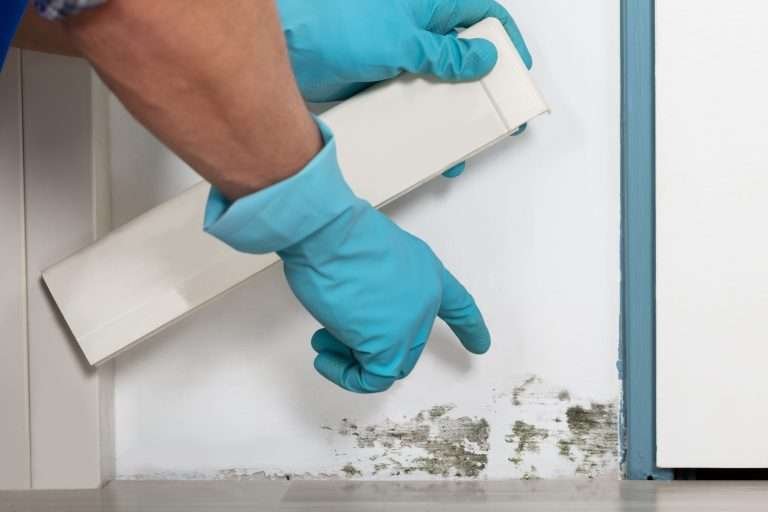
Mold and mildew are another frequent culprit. Flooding and high humidity give mold spores the moisture they need to grow rapidly. Even small, hidden colonies behind walls or under flooring can generate strong, unpleasant odors that spread throughout the space.
Storm debris can also play a role. Fallen trees, wet leaves, damaged landscaping, and organic material that gets tracked indoors can begin to decompose. As that material breaks down, it releases odors that seep into the surrounding environment.
Identifying the exact source allows you to take targeted action instead of relying on trial and error solutions that often fail.
Addressing Water Damage Before Odors Set In
Water damage must be addressed quickly to prevent long-term odor problems. The longer materials remain wet, the more likely they are to develop smells that are difficult to remove. Drying out affected areas thoroughly is critical, even if the surface appears dry to the touch.
Fans and dehumidifiers play an important role in moisture removal, especially in enclosed spaces. Air movement helps evaporate moisture trapped in walls, floors, and furnishings, while dehumidifiers pull excess humidity out of the air. This combination reduces the conditions that allow odors to develop and spread.
Some materials cannot be salvaged once they have been heavily saturated. Items like carpet padding, insulation, and certain types of furniture often hold moisture deep inside and continue to emit odors even after surface drying. Removing and properly disposing of these materials can be necessary to fully eliminate storm-related smells.
Addressing water damage promptly also helps prevent secondary issues, such as mold growth, that can compound odor problems and make remediation more complex.
Managing Mold Growth After Severe Weather
Mold growth after a storm should never be ignored. In addition to the health concerns it can pose, mold is a significant source of persistent odors that do not respond to ordinary cleaning. The smell associated with mold often lingers even when the visible growth is minimal or hidden.
Safety is essential when dealing with suspected mold. Protective gear such as gloves, masks, and eye protection can reduce exposure during initial inspection or minor cleanup. Isolating the affected area helps prevent spores from spreading to other parts of the building.
In cases where mold growth is extensive or located inside walls, ceilings, or HVAC systems, professional remediation is often necessary. Professionals use specialized equipment and containment methods to safely remove mold and address the underlying moisture problem. Without proper remediation, mold odors frequently return, even after repeated cleaning attempts.
Removing Storm Debris to Reduce Odor Sources
Storm debris is more than an outdoor inconvenience. Wet vegetation, damaged building materials, and organic waste can contribute to lingering odors both outside and inside the home. Prompt removal of debris reduces the chance of decomposition odors spreading into living spaces.
Once it is safe to do so, fallen trees, branches, and yard debris should be cleared as soon as possible. Proper disposal is important, as leaving piles of wet material on the property allows odors to intensify and attract pests.
Indoor debris, such as water-damaged drywall, insulation, or personal items, should also be removed without delay. Keeping these materials inside the home prolongs odor issues and can undermine other cleanup efforts.
Odor Removal Techniques That Support Recovery
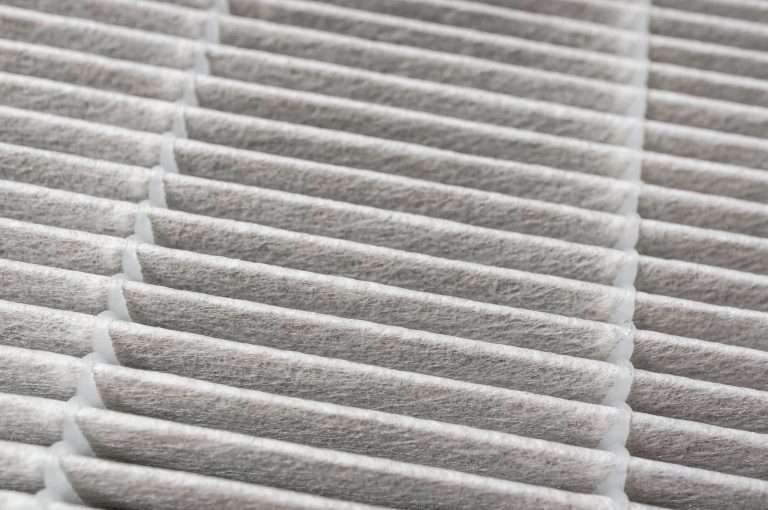
After severe weather, many property owners turn to common odor control tools in hopes of restoring freshness. While air purifiers, deodorizers, and odor absorbing materials are widely marketed as solutions, they rarely resolve storm-related odors in any lasting way. These approaches focus on filtering air or masking smells, but they do not address the root cause. Odors left behind by flooding and storms are the result of contaminants that have penetrated deep into building materials, furnishings, and structural cavities.
HEPA air purifiers can capture airborne particles, but they only treat the air passing through the unit. Odor-causing compounds embedded in carpets, drywall, insulation, and subflooring remain untouched. Once the purifier is turned off or the space is disturbed, the smell often returns. Similarly, deodorizers and air fresheners may provide a short-lived improvement, but they work by covering odors with fragrance rather than eliminating them. In many cases, this can make indoor air quality worse by mixing perfumes with existing pollutants.
True odor removal requires breaking down odor-causing molecules at their source. This is where BioSweep of Central Florida’s process makes a critical difference. BioSweep uses an advanced technology called photocatalytic oxidation, which treats the entire environment rather than isolated surfaces or the air alone. This process creates an active oxidizing environment that penetrates porous materials and reaches hidden spaces where storm-related contaminants reside.
Photocatalytic oxidation does not mask odors. It neutralizes them by altering the molecular structure of the compounds responsible for the smell. As these molecules are broken down, the odor is permanently eliminated instead of temporarily suppressed. Because the treatment addresses both the air and all exposed surfaces, it prevents the cycle of recurring odors that often follows storms and flooding.
For homes and businesses impacted by severe weather, BioSweep’s approach provides a reliable path to true recovery. When lingering storm odors persist despite drying and cleanup, photocatalytic oxidation offers a proven way to restore a clean, fresh environment and ensure that the problem is solved completely, not just hidden.