
A bad smell in your car can make every drive uncomfortable. It can also hurt your vehicle’s resale value and leave family members or passengers wondering what’s hiding in the seats and carpets. In a hot, humid climate like Central Florida, odors tend to get worse fast. Heat bakes smells into fabric, and moisture helps odor-causing bacteria grow inside your car’s soft surfaces and hidden spaces.
Many car owners try air fresheners, sprays, or quick wipe-downs, only to have the smell return in a few days. That is because most odors are tied to contamination that has soaked into upholstery, carpet padding, foam, or even the ventilation system, not just the visible surfaces. Biosweep of Central Florida specializes in permanently eliminating tough odors in vehicles by treating the problem at the molecular level, not just covering it up.
Below are some of the most common causes of car odors and what makes them so persistent.
Food and Beverage Spills
Eating on the go is part of modern life. Coffee on the morning commute, fast food in the backseat, and snacks during road trips all leave behind crumbs, drips, and sticky residues. When a drink spills, it rarely stays on the surface. It seeps down into the carpet, soaks the padding underneath, and creeps under seat rails and trim pieces where it is nearly impossible to scrub.
Over time, the sugars and proteins in food and beverages break down, feeding bacteria that create sour or rotten smells. Even if you blot up the spill and wipe the visible stain, the contamination deeper in the materials can keep giving off odors. In Florida’s heat, this process is accelerated, which is why a minor spill can turn into a major smell faster than you expect.
Pet Odors From Beloved Four-Legged Passengers
If you travel with pets, you know they can leave the car smelling like a kennel after a while. Dogs and cats shed hair and dander, and their natural body oils transfer easily to seat fabric and door panels. Add in a wet dog after a trip to the beach or a sudden accident on the seat, and you have a powerful recipe for lingering odors.
Pet-related smells are stubborn because they combine organic residues, oils, and moisture. These work their way deep into fabric, foam, and carpet padding. In a warm, humid climate, bacteria thrive on these materials, producing that familiar “doggy” or “animal” smell that refuses to go away, even after a basic cleaning. DIY sprays may temporarily make the car smell like perfume, but once the fragrance fades, the underlying pet odor usually returns.
Smoke and Third-Hand Smoke Residue
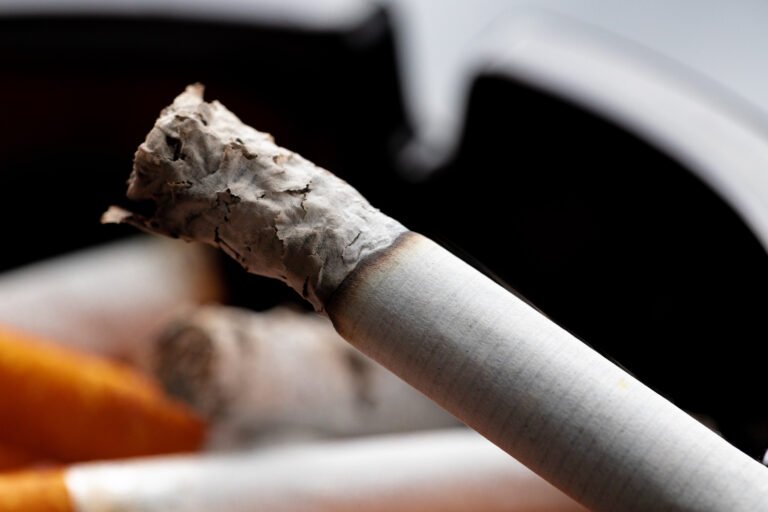
Cigarette smoke, cigar smoke, and even vape aerosols are among the most difficult car odors to remove. Smoke does not just linger in the air; it carries microscopic particles that cling to seats, headliners, dashboards, and door panels. Over time, these particles build up into a sticky film that coats every surface, including the glass.
Beyond the obvious smell you notice right away, there is also third-hand smoke. This is the residue that remains on surfaces long after the smoke has cleared. It can continue releasing volatile compounds into the air each time the car warms up or the surfaces are disturbed. That is why many used cars that belonged to smokers still smell like smoke, even if they have been detailed.
Traditional cleaning can remove some surface film but often fails to reach smoke contamination embedded in fabric fibers, foam padding, and air ducts. As a result, the smoky smell tends to come back, especially on hot days.
Mold and Mildew From Moisture Intrusion
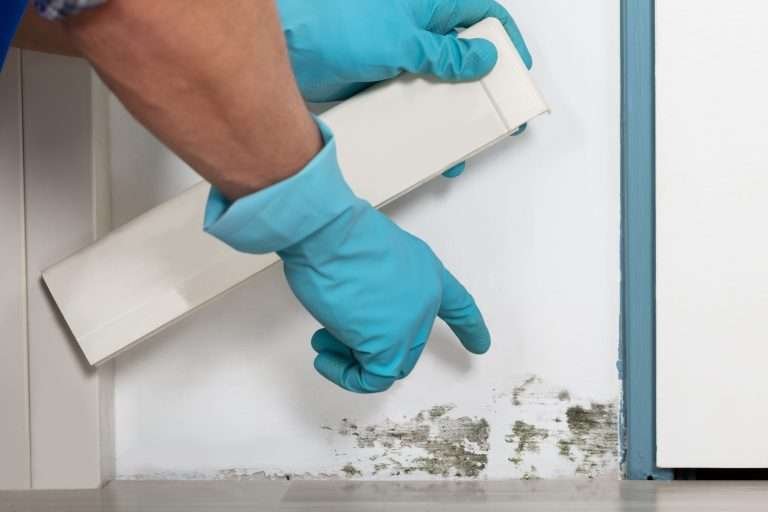
Musty, damp odors are very common in cars, especially in Florida. These are often caused by moisture that has gotten trapped inside the vehicle. Common sources include wet floor mats, spilled water that was not fully dried, leaks around doors or windows, clogged sunroof drains, or even leaving the windows open during a sudden rainstorm.
When carpets, seat cushions, or sound-deadening materials stay damp, they provide the perfect environment for mold and mildew to grow. These microorganisms produce the classic “old basement” or “wet towel” scent that drivers notice each time they get into the car. In severe cases, you might even see discoloration, but often the problem is hidden underneath the carpet or behind trim.
Because mold and mildew thrive in warmth and humidity, Central Florida’s climate makes this type of car odor especially frustrating. Even if you dry the surface, moisture trapped deeper down can continue feeding growth and releasing odors.
Odors From the Air Conditioning System
If you notice a sour, damp, or musty smell that appears right when you switch on the air conditioning, the source may be your HVAC system. As the air conditioner cools the air, condensation forms on the evaporator coil and inside the housing. If this moisture does not fully drain, bacteria and mold can develop inside the system.
These organisms cling to the coil, fins, and internal surfaces. Each time you run the AC, air passes over the contaminated components and carries the odor into the cabin. Standard interior cleaning does nothing to address this problem because the contamination is inside the ventilation system, not on the visible carpets or seats. Drivers often find that their car smells fine with the AC off, but as soon as the system starts up, the unpleasant odor returns.
Fuel, Oil, and Other Mechanical Leaks
Some odors are more than just a nuisance; they can be a sign of a mechanical issue. A sharp gasoline smell might point to a fuel leak, while a sweet, syrupy odor could be coolant. Burnt oil or other fluid smells may indicate leaks that are dripping onto hot engine components.
Even after the mechanical problem is repaired, those spilled fluids can leave strong odors behind. Vapors seep into the cabin over time, and droplets can soak into carpets and insulation if the leak reaches interior areas. Cleaning the visible surfaces may not be enough to address what has soaked into the materials beneath.
Athletic Gear, Sweat, and Everyday Life
Cars that double as locker rooms or gear haulers develop their own unique aroma. Gym bags, sports uniforms, cleats, and damp towels are all loaded with sweat and bacteria. When this gear sits in a closed vehicle, especially in the heat, those odors intensify and transfer to the seats and carpets.
Once sweat and organic residues have been absorbed into fabrics and foam, it can be challenging to get them out. Rolling down the windows may help temporarily, but the underlying contamination continues to release odors each time the car heats up
Trash, Organic Decay, and Forgotten Items
Sometimes the cause of the smell is simple: forgotten trash or decaying organic material. A piece of fruit that rolled under a seat, a spilled milkshake, or a fast-food bag tucked into a door pocket can begin to rot quickly in Florida’s heat. As organic materials break down, they produce powerful odors that can permeate the entire cabin.
The challenge is that not all of this contamination is easy to see. Liquids can run under carpets and into seams, and small items can get caught under seats or trim. Even when you remove the obvious source, lingering residues can continue to smell for weeks or months.
Why DIY Odor Fixes Usually Fail
Most car owners start with DIY solutions: air fresheners, odor-eliminating sprays, foam cleaners, or retail foggers. While these products might make the car smell better for a short time, they usually do not solve the problem because they do not truly remove the odor-causing molecules.
Surface cleaners address only what you can reach. Air fresheners and scented sprays simply add a stronger smell on top of the bad one. Some DIY “odor bombs” may help a little more, but they often do not have the power, time, or access to fully address contamination that has soaked into foam, padding, headliner material, or the HVAC system. As the fragrance wears off, the original odor returns.
In many cases, drivers repeat this cycle over and over, spending money and time without getting lasting relief. Meanwhile, the underlying source remains untouched.
How Biosweep of Central Florida Permanently Eliminates Car Odors
Biosweep of Central Florida takes a different approach. Instead of masking odors, we target the odor-causing molecules themselves. Our advanced process uses patented photocatalytic oxidation technology that generates a powerful stream of oxidizing agents. These agents penetrate deeply into porous materials and hard-to-reach areas, breaking apart odor molecules at the molecular level.
This treatment reaches places regular cleaning and consumer products simply cannot access. It can neutralize smoke residues embedded in fabrics, musty odors from hidden moisture, pet-related smells in foam and carpet padding, and stubborn odors circulating through the HVAC system. Because the process destroys the molecules that create the smell, there is nothing left to “come back” later.
Another key advantage is that Biosweep’s process is non-destructive. We do not rip out carpets or replace interior panels to deal with odors. Instead, we treat the vehicle as a whole, ensuring that all contaminated areas are addressed at the same time. This comprehensive approach is especially important for smoke and moisture-related odors that tend to spread throughout the cabin.
Biosweep of Central Florida also stands behind its work with a strong satisfaction guarantee. If the odor we treated returns, we will retreat the vehicle at no charge. That level of confidence gives car owners peace of mind that they are investing in a real solution, not another temporary cover-up.
When To Call In a Professional
If you have tried cleaning and air fresheners and your car still smells bad, it is a sign that the source of the odor is deeper than surface level. This is especially true if the smell gets stronger in hot weather, appears when the air conditioner turns on, or has been present for months despite your best efforts.
Persistent odors can make daily driving unpleasant and can also hurt your vehicle’s value when it is time to sell or trade in. For smokers, pet owners, parents, rideshare drivers, or anyone dealing with water damage, a professional odor removal service can be the difference between tolerating a problem and actually solving it.
A Fresh Start For Your Vehicle
Car odors are common, but they are not something you have to live with. Food and drink spills, pet contamination, smoke, moisture, mechanical leaks, gym gear, and plain old trash all contribute to persistent smells that are hard to remove with ordinary cleaning, especially in Central Florida’s hot, humid climate.
Biosweep of Central Florida specializes in permanently eliminating those stubborn odors so your car can feel fresh and clean again. If you are tired of masking smells and want a real solution, contact Biosweep of Central Florida today to schedule professional car odor removal and give your vehicle a true fresh start.