Why one person in the house feels it — and what Central Florida homeowners can do about it
You finally did it. A brand-new home. Fresh paint, new flooring, that unmistakable “new house smell.”
But what if that smell isn’t a good thing?
What if someone in your home, maybe you, maybe your spouse, is dealing with headaches, fatigue, sinus irritation, or a nagging feeling that something’s not right… while everyone else feels completely fine?
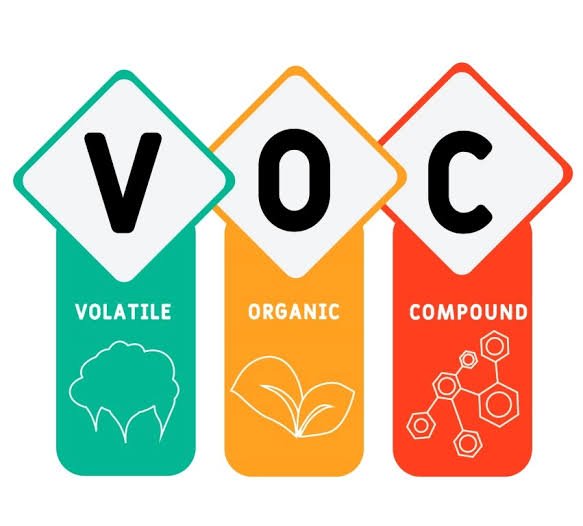
It’s more common than you’d think. In most cases, the culprit is volatile organic compounds, or VOCs.
What Are VOCs?
VOCs are gases released from certain solids and liquids as they cure or “off-gas.” In new construction, they come from a wide range of materials, including:
- Paints and primers
- Varnishes and finishes
- Adhesives and sealants
- Cabinetry and composite wood products
- Flooring — especially luxury vinyl plank (LVP)
- Insulation and other building materials
According to the EPA, indoor VOC levels can run several times higher than outdoor air, and that gap is widest in the weeks right after construction, while materials are still curing.
Why New Construction in Central Florida Is a Perfect Storm
New homes are built tighter and more energy-efficient than ever. That’s great for your utility bill, but it also means less natural air exchange, so VOCs concentrate indoors instead of dissipating.
Central Florida adds another layer: heat and humidity speed up off-gassing. Warmer materials release VOCs faster, and the same airtight envelope that keeps cooling costs down also traps that heat and moisture inside during the exact window, the first few months, when off-gassing is at its peak. With how much new construction is going up across Tampa, St. Petersburg, Sarasota and the surrounding area right now, a lot of families are moving into homes that are still early in that off-gassing curve without realizing it.
Flooring is one of the biggest contributors. LVP is durable and affordable, but many LVP products emit formaldehyde and other VOCs, especially when new. Cabinet finishes, engineered wood, and paint that hasn’t fully cured add to the load — and it’s often what’s behind that “new home smell.”
Why Does Only One Person Feel It?
This is where it gets confusing.
Not everyone reacts to VOCs the same way. Sensitivity varies by genetics, immune system differences, pre-existing respiratory issues, chemical sensitivity (even if never diagnosed), and hormonal or metabolic factors.
So it’s entirely possible for one person in the house to feel completely normal while another feels progressively worse. That doesn’t mean it’s “in their head” — it means their body is responding differently to the same environment.
A good clue: you feel better when you leave the house, and worse when you come back.
Common Symptoms of VOC Exposure
- Headaches or pressure behind the eyes
- Dizziness or brain fog
- Fatigue, especially indoors
- Burning or watery eyes
- Sinus congestion
- Scratchy throat
- Skin irritation
- Nausea
The Good News: It Does Improve — Eventually
Off-gassing follows a curve: highest in the first weeks, moderate through the first two to six months, then gradually declining. Most homes do resolve on their own eventually.
But “eventually” is a long time to feel bad in your own house, especially when one family member is dealing with it every day.
What You Can Do Right Now
Increase ventilation. Open windows when you can, and use fresh-air intake if your system has it.
Control humidity. Keep indoor humidity between 40–50%. In Central Florida that usually means leaning on the AC and a dehumidifier, since higher humidity speeds up off-gassing.
Use real filtration. HEPA handles particulates; activated carbon helps with VOCs to a degree — but neither destroys the compounds, they just capture some of what’s already in the air.
Don’t add to the load. Skip candles, air fresheners, and harsh cleaners — they add more chemicals rather than removing them.
When Ventilation and Time Aren’t Enough
These steps help, but they’re limited, especially when symptoms are severe, one household member is highly sensitive, the home was finished on a fast build schedule, or higher-VOC materials were used throughout. Filtration and open windows dilute what’s in the air; they don’t eliminate the source.
How BioSweep Central Florida Treats VOCs at the Source
This is where our process differs from a filter or an air purifier.
Our equipment uses advanced photocatalytic oxidation to generate hydroxyl radicals, purified ozone, and hydrogen peroxide directly in the space being treated. Rather than trapping VOCs in a filter, this process breaks the compounds down at the molecular level — including inside porous materials, cabinetry, and HVAC ductwork that ventilation alone can’t reach. It’s non-toxic and leaves no chemical residue once the treatment cycle is complete.
For a newly built home, this can compress months of “wait it out” into a matter of days.
If someone in your home has felt off since you moved in, don’t wait for it to resolve on its own.
📞 Schedule a free indoor air quality assessment with BioSweep Central Florida: 813-365-7986 · https://biosweepcentralfl.com/contact/
Frequently Asked Questions
Can a new home actually make you sick? Yes. New construction materials off-gas VOCs for weeks to months after completion, and sensitive individuals can experience real symptoms — headaches, fatigue, sinus irritation — even when the air “looks” fine.
How long do VOCs last in a new home? Levels are highest in the first few days to weeks, moderate through the first one to three months, and decline gradually after that. Ventilation, humidity control, and professional treatment can shorten that timeline significantly.
Does LVP flooring release formaldehyde? Many luxury vinyl plank products can emit formaldehyde and other VOCs, particularly when new. It’s one of the more common — and overlooked — sources of “new home smell.”
Why does only one person in my house feel sick? VOC sensitivity varies by individual due to genetics, immune response, and pre-existing respiratory or chemical sensitivities. One person feeling unaffected doesn’t mean the air quality issue isn’t real.
What’s the fastest way to reduce VOCs in a new home? Ventilation and humidity control help, but they dilute the problem rather than eliminate it. Professional oxidation-based treatment, like BioSweep’s APO process, breaks VOCs down at the source instead of just filtering the air.
Your home should be a place of comfort, not a source of symptoms. If something feels off, it’s worth paying attention to — and worth getting a professional opinion.