There is nothing quite like getting into a car that smells clean and fresh. Unfortunately, keeping it that way can be a challenge, especially here in Central Florida. Heat, humidity, pets, food, moisture, and everyday use can all contribute to lingering odors.
The good news? A few simple habits can go a long way toward keeping your vehicle smelling fresh.
1. Don’t Let Trash Pile Up
This one sounds obvious, but wrappers, food containers, cups, and other trash can quickly become a source of unpleasant odors.
Florida heat makes the problem worse. Something that smells harmless when you toss it into the car in the morning may smell very different after sitting in a hot vehicle all afternoon.
Make it a habit to remove trash every time you get home or at least once a day.
2. Clean Up Spills Quickly
Coffee, soda, milk, fast food, and other drinks and foods can leave behind more than a sticky spot.
Liquids can seep into carpet, upholstery, seat padding, and other materials where they may continue producing odors long after the visible mess has been cleaned.
The sooner you clean up a spill, the better your chances of preventing a lingering smell.
3. Don’t Forget the Floor Mats
Your floor mats take a beating. Dirt, water, food, pet hair, mud, and whatever else gets tracked into the vehicle eventually ends up there.
Remove the mats regularly and clean them according to the manufacturer’s recommendations. Make sure they are completely dry before putting them back in the vehicle.
This is especially important during Florida’s rainy season when wet shoes and muddy floors can quickly turn into a musty smell.
4. Keep Wet Items Out of the Car
Wet towels, swimsuits, gym clothes, beach gear, umbrellas, and damp shoes are all potential odor problems.
If something gets wet, take it out of the vehicle as soon as possible. Even a small amount of trapped moisture can create a musty smell when it sits in a warm, enclosed space.
And if your car has ever had a leak, don’t assume the carpet being dry to the touch means everything underneath is dry.
5. Vacuum More Than Just the Seats
Food crumbs and dirt don’t magically disappear when you can’t see them.
Vacuum the seats, floor, carpet edges, under the seats, and the areas around the center console. If you have pets, pay particular attention to the places where hair and dander collect.
Regular vacuuming removes some of the organic material that can eventually contribute to unpleasant odors.
6. Give Your Car’s Interior a Deep Clean Occasionally
Routine cleaning helps, but your vehicle can still accumulate residue over time.
Fabric seats, carpet, headliners, door panels, and other surfaces can absorb odors from food, smoke, pets, sweat, and everyday use.
A professional interior detail can help remove dirt and surface contamination that regular vacuuming and wiping don’t address.
7. Be Careful With Air Fresheners
Air fresheners aren’t necessarily bad, but they aren’t the same thing as odor removal.
That fragrance you love is often carried by volatile organic compounds, commonly called VOCs. While the amount and type can vary from product to product, breathing high levels of certain VOCs isn’t considered healthy.
More importantly, if your car has a persistent odor, adding a stronger fragrance doesn’t actually solve the problem. It can simply create a combination of “something smells weird” and “now it smells like artificial vanilla.”
If you keep reaching for an air freshener because the original odor keeps coming back, it may be time to find the actual source.
8. Pay Attention to Your Air Conditioning and Cabin Air Filter
Does your car smell fine until you turn on the AC?
A musty, sour, or unpleasant smell coming from the vents can indicate that the odor source is inside the vehicle’s HVAC system.
Because Central Florida vehicles deal with plenty of heat and humidity, moisture-related odors can become particularly noticeable when the air conditioning is running.
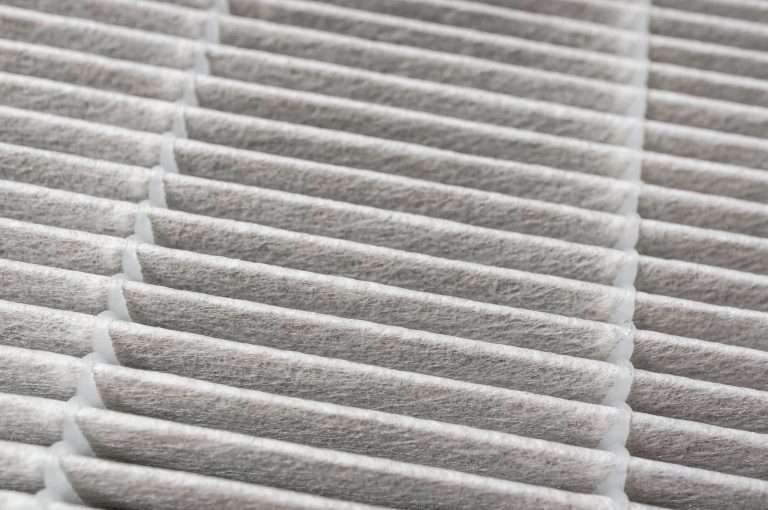
Also, find out whether your vehicle has a cabin air filter. Many vehicles do, and the filter helps keep dust, pollen, and other airborne particles from circulating through the cabin. Check your owner’s manual or ask your service professional when it should be replaced, and follow the manufacturer’s recommendations.
If the smell consistently comes from the vents, cleaning the seats and carpets may not solve the problem because you could be treating the wrong source.
9. Don’t Ignore Pet Odors
Pets are family, but they can be hard on a vehicle’s interior.
Pet hair, dander, wet fur, muddy paws, and accidents can all contribute to lingering odors. And if urine or another liquid makes its way into carpet padding or upholstery, the smell may remain even after the visible mess has been cleaned.
If you’ve cleaned your vehicle multiple times but it still smells like a pet lives there, the odor may have penetrated deeper into the materials.
10. Don’t Ignore Persistent Odors
Some smells are easy to fix. Take out the trash, clean up the spill, vacuum the carpet, and you’re done.
Others don’t work that way.
If your car continues to smell after you’ve cleaned it, the odor may have soaked into upholstery, carpet padding, foam, headliner material, or other hard-to-reach areas.
Smoke is a particularly difficult example. Cigarette smoke and other smoke odors can settle into vehicle interiors and continue releasing odor even after the vehicle has been thoroughly cleaned.
For stubborn smoke odors, professional smoke odor removal can address contamination that traditional cleaning may not completely remove.
What If Your Car Still Smells After Cleaning?
If you’ve tried cleaning, vacuuming, shampooing, and air fresheners and the odor keeps coming back, the problem probably isn’t simply that your car needs to be cleaned again.
The odor may be embedded deeper in the vehicle’s interior or coming from an area that is difficult to reach with traditional cleaning methods.
That’s where professional odor removal can help.
BioSweep Central Florida’s automotive and RV odor removal service is designed to treat persistent odors throughout the enclosed vehicle environment rather than simply covering them up with fragrance.
The process can be used for stubborn odors caused by smoke, pets, food, moisture, and other sources.
A Fresh-Smelling Car Starts With Good Habits
Keeping your car smelling fresh doesn’t require constantly spraying air freshener or spending every weekend detailing the interior.
Remove trash. Clean up spills quickly. Keep wet items out. Vacuum regularly. Change your cabin air filter when recommended. Pay attention to moisture and HVAC odors. And when a smell refuses to go away, don’t keep masking it.
Find the source and deal with it.
Because your car should smell like a clean car, not the world’s most confusing combination of coffee, wet dog, and coconut air freshener.
For persistent vehicle odors that won’t go away, contact BioSweep Central Florida for a free consultation at 813-365-7986.