
Air purifiers are often marketed as solutions for indoor air quality issues, promising to eliminate allergens, pollutants, and even odors. But can they truly remove unwanted smells from your home? While some air purifiers may reduce certain types of odors, they often fail to eliminate them completely. To fully remove odors at their source, you need a more advanced solution—one that goes beyond filtration and adsorption.
How Do Air Purifiers Work?
Air purifiers operate by drawing in air and passing it through a filtration or purification system to trap particles, allergens, and in some cases, gases. The effectiveness of an air purifier depends on the type of technology it uses. Let’s examine the most common types of air purifiers and their limitations when it comes to odor removal.
1. HEPA Filters – Great for Allergens, Ineffective for Odors
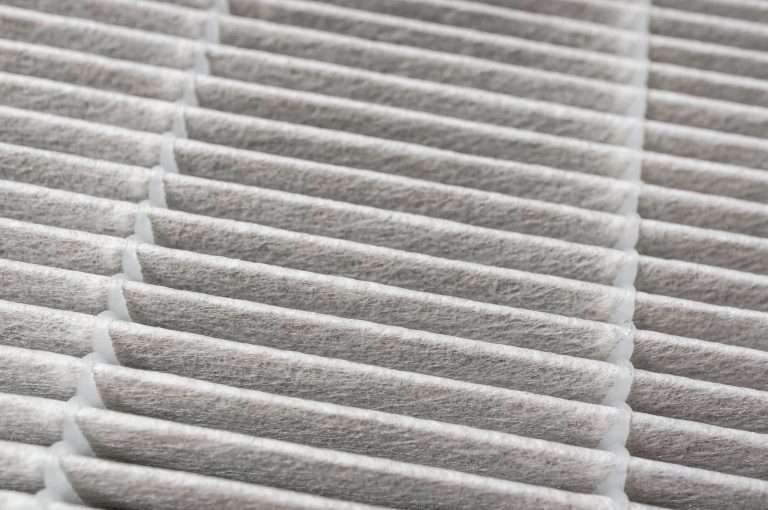
High-Efficiency Particulate Air (HEPA) filters are one of the most popular air filtration methods. These filters are excellent for capturing airborne particles such as dust, pollen, mold spores, and pet dander. HEPA filters work by forcing air through a fine mesh that traps particles as small as 0.3 microns. However, odors are caused by volatile organic compounds (VOCs) and gases that are much smaller than 0.3 microns, meaning HEPA filters do little to remove smells from the air.
If you have ever tried to get rid of cigarette smoke, pet odors, or food smells using a HEPA-filter air purifier, you may have noticed that while the air feels fresher, the odor often lingers. This is because HEPA filters only trap particles; they do not break down or neutralize odor-causing molecules.
2. Activated Carbon Filters – Limited Absorption Capacity
Some air purifiers use activated carbon filters to target odors. Activated carbon is highly porous, allowing it to adsorb (not absorb) gases and odors from the air. These filters can be somewhat effective against cooking smells, chemical fumes, and pet odors. However, their ability to remove odors is temporary because once the carbon reaches its saturation point, it can no longer trap additional odor molecules. At this point, the filter must be replaced; otherwise, it will start to release the trapped odors back into the air.
Another major drawback of activated carbon filters is that they do not neutralize odors at their source. They simply hold onto odor molecules until the filter becomes full. If you are dealing with strong, persistent odors such as smoke, mildew, or pet urine, an activated carbon filter will not provide a permanent solution.
3. Ionic Air Purifiers – Minimal Impact on Odors
Ionic air purifiers work by releasing negatively charged ions into the air. These ions attach to airborne particles, making them heavier so they settle onto surfaces like walls, floors, and furniture. While this process helps remove airborne dust and some allergens, it does little to eliminate odors.
Additionally, some ionic air purifiers produce ozone as a byproduct. Ozone has a distinct smell, often described as similar to chlorine or a “fresh” scent after a thunderstorm. While ozone can react with odor molecules, it can also pose health risks when inhaled in high concentrations. Because of this, many experts recommend against using ozone-generating air purifiers, especially in enclosed spaces.
4. UV-C Light Purifiers – Effective for Bacteria, Not for Odors
Ultraviolet (UV-C) air purifiers use short-wave ultraviolet light to kill bacteria, viruses, and mold spores. While UV-C technology is beneficial for sterilization purposes, it does not remove odors because it does not break down gases or VOCs. Even if an air purifier combines UV-C with another filtration method, it will not be able to fully eliminate strong, persistent odors like smoke, cooking grease, or pet urine.
Why Air Purifiers Alone Cannot Eliminate Odors
The key reason air purifiers struggle with odor removal is that most odors are caused by VOCs, which are gaseous compounds too small for traditional filters to trap. While carbon filters can temporarily hold onto these molecules, they do not destroy them, and once saturated, they become ineffective.
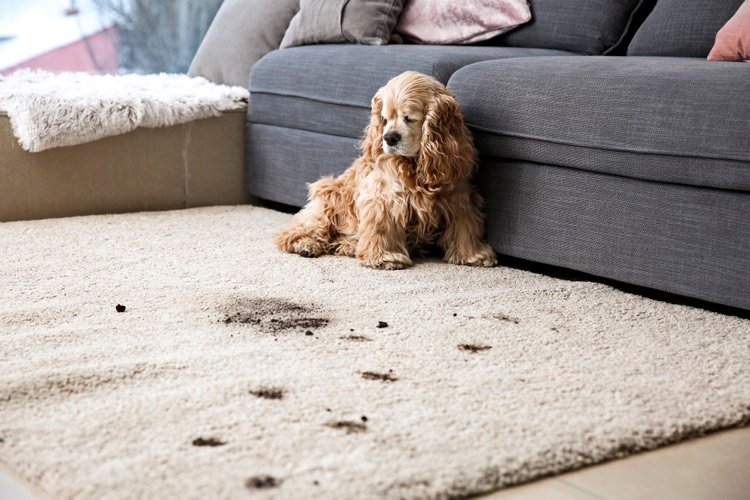
Furthermore, many odors originate from porous surfaces such as carpets, upholstery, walls, and even ceilings. If an odor source has penetrated deep into these materials, no air purifier will be able to extract it from them. Instead, you need a process that actively breaks down odor molecules at the molecular level, which brings us to the ultimate solution: photocatalytic oxidation.
The Only True Odor Removal Solution: Photocatalytic Oxidation
BIOSWEEP® of Central Florida utilizes a cutting-edge process called photocatalytic oxidation (PCO) to eliminate odors at their source completely. This process goes beyond filtration and adsorption by chemically breaking down odor molecules into harmless byproducts.
How Photocatalytic Oxidation Works
Photocatalytic oxidation (PCO) involves the use of a catalyst—typically titanium dioxide—that, when exposed to specific wavelengths of light, produces reactive radicals. These radicals attack and decompose organic compounds, including odor molecules, bacteria, and VOCs. Unlike air purifiers that simply trap or mask odors, BIOSWEEP®’ s technology actively destroys them, ensuring permanent odor removal.
The benefits of BIOSWEEP®’ s process include:
- Complete odor elimination – Unlike air purifiers, which only reduce odors temporarily, BIOSWEEP® neutralizes them at the source.
- Penetration into porous materials – The reactive compounds generated during the process can reach deep into fabrics, carpets, walls, and even ventilation systems to eradicate odors completely.
- Safe and eco-friendly – Unlike ozone generators, which can produce harmful levels of ozone, BIOSWEEP®’ s photocatalytic process is safe for use in homes, businesses, and vehicles.
- Effective against all types of odors – Whether you are dealing with pet smells, smoke odors, musty odors, or cooking smells, BIOSWEEP® can eliminate them permanently.
The Bottom Line: Air Purifiers Aren’t Enough
While air purifiers can help improve indoor air quality by removing allergens and some airborne particles, they are not a comprehensive solution for odor removal. Even the best air purifiers equipped with activated carbon filters can only provide temporary relief before they become ineffective. Persistent odors require a technology that does more than filter air—it must actively break down odor molecules at the source.
For homeowners, property managers, and business owners dealing with stubborn odors, BIOSWEEP® of Central Florida offers the ultimate solution. Using advanced photocatalytic oxidation, BIOSWEEP® ensures that odors are permanently eliminated, leaving your space truly fresh and odor-free. If you are tired of ineffective air purifiers and want a real solution to your odor problems, it’s time to turn to BIOSWEEP®.